 Crocs Headlights: Illuminating the Future of Footwear
Introduction: In recent years, the world of fashion and footwear has witnessed countless innovations, from sustainable materials to ergonomic designs. Among these advancements, one particular innovation has caught the attention of shoe enthusiasts and trendsetters alike: Crocs Headlights. Yes, you read it right! Crocs, the iconic brand known for its comfortable and versatile clogs, has taken a step further by introducing headlights for shoes. In this blog, we will explore the fascinating concept of Crocs Headlights and discuss how they are illuminating the future of footwear. Unveiling Crocs Headlights: Imagine walking in the dark, whether it's a late-night stroll or an adventurous hike, and having your shoes light the way. Crocs Headlights provide just that. Built with LED lights integrated into the front of the shoe, these innovative footwear pieces ensure visibility in low-light conditions, enhancing both safety and style. Functionality and Features: Crocs Headlights are designed to offer practicality without compromising comfort. The LED lights are strategically placed in the front of the shoe, providing a beam of light that illuminates the wearer's path. The lights can be easily activated or deactivated with a simple switch, allowing users to customize their illumination as needed.
0 Comments
 DECEMBER 22, 2022
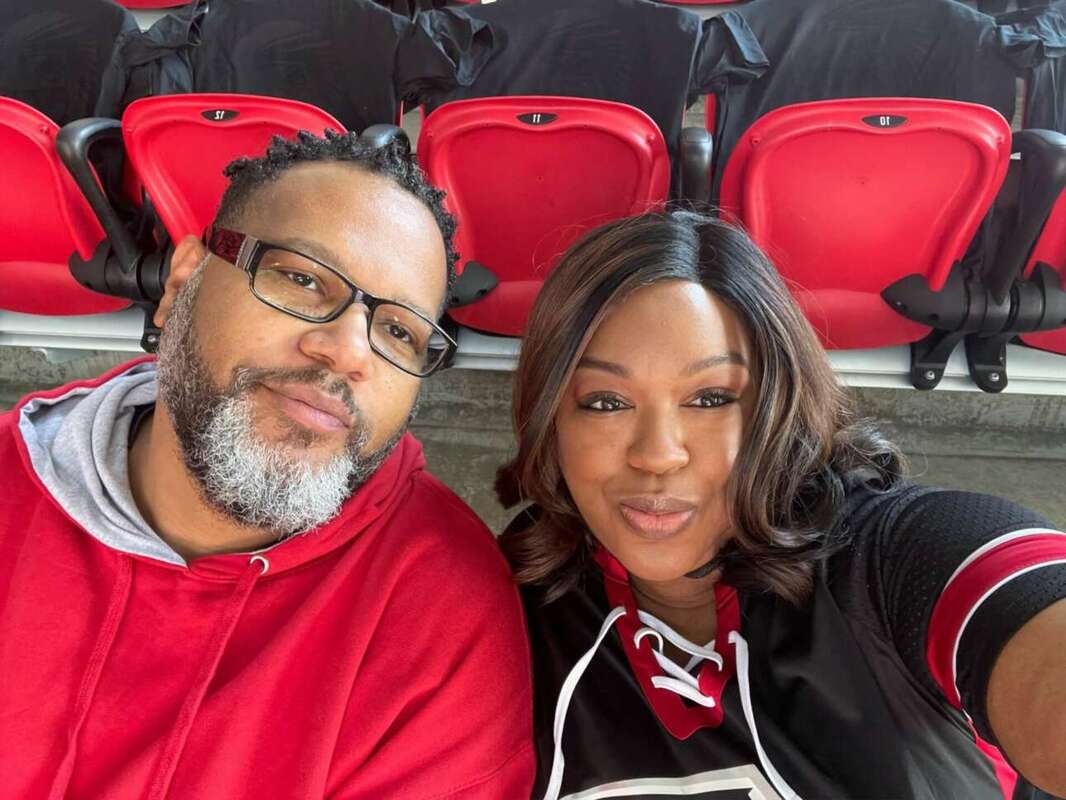
We caught up with the brilliant and insightful Eric Hayes a few weeks ago and have shared our conversation below. Eric, looking forward to hearing all of your stories today. What do you think it takes to be successful?To be successful, you yourself must believe and love what you are doing for longevity. Some do thing for the money then live to regret it later . See the rest here 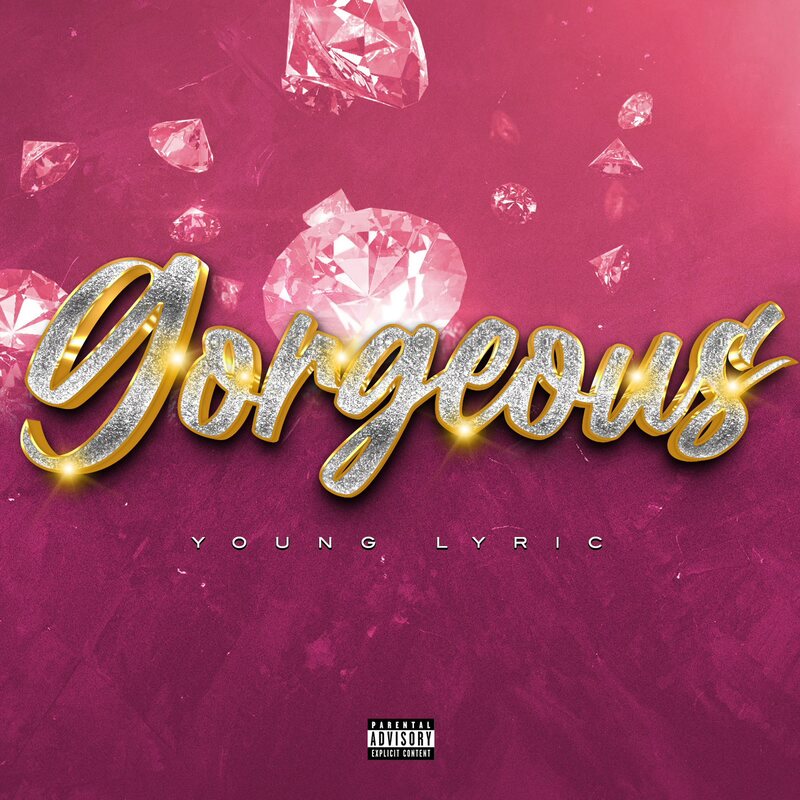 Young Lyric, whose real name is Lyric Michelle Ragston, is a rapper and hip-hop artist from Houston, Texas. She gained recognition as a child rapper and became known as the "Hip Hop Princess" due to her talent and lyrical abilities at a young age. Young Lyric first gained widespread attention through her appearances on the reality TV show "The Rap Game" in 2016, which was produced by Jermaine Dupri and aired on Lifetime. Her skills and charisma on the show helped her stand out, and she garnered a significant following. Since then, Young Lyric has continued to make music and build her career. She has released numerous singles and mixtapes, showcasing her versatile rap style and engaging lyrics. Some of her popular tracks include "Just Keep Rappin," "Young & Fly," and "U Got Dragged." As an artist, Young Lyric is known for her confident delivery, wordplay, and her ability to tackle various subjects in her music. She has also collaborated with other artists within the hip-hop industry. Young Lyric's journey as an artist began at a young age, and she has grown and evolved as a rapper over the years. With her talent and determination, she has solidified herself as an influential figure in Houston's hip-hop scene and continues to make strides in her career. SOCIAL MEDIA/CONTACT INFO: Instagram: @TheRealLyricMichell Tik Tok: @TheRealLyricMichell Twitter: @Lyrikkal Snapchat: @YungLyrikkal Facebook: Young Lyric - The Real Lyric Michell (@LyricMichell) For Booking/Info: BadAkktorRecords@Gmail.com 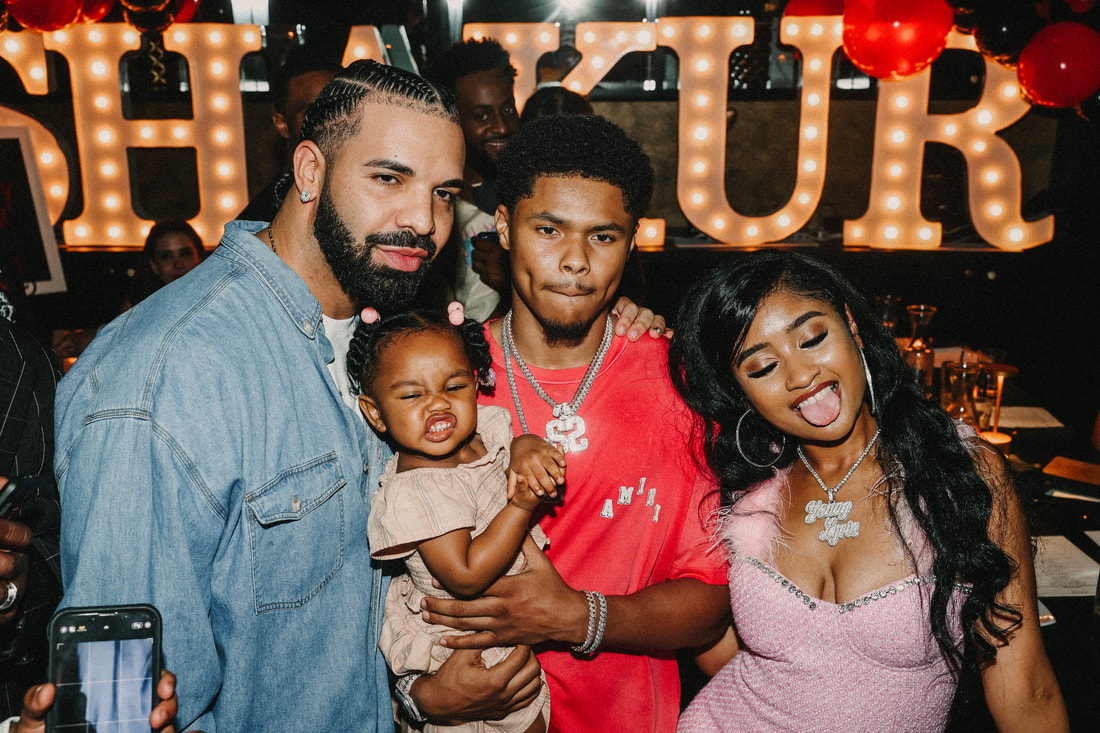  Introduction: In a fast-paced world driven by ever-evolving tastes and preferences, staying on top of the latest trends is a must. From fashion to technology and entertainment, there's always something new capturing people's attention. In this blog post, we'll dive into the hottest trends that are currently taking the world by storm. Let's explore what's making waves and keeping everyone buzzing!
Are you an aspiring musician looking to share your music with a wider audience? Selling your music on popular platforms like iTunes and Google Play can be an excellent way to reach millions of potential listeners and monetize your artistic talents. Here's how you can sell your music on iTunes and Google Play:
Just go here Hip hop has come a long way since its inception, shaping and influencing generations of music lovers worldwide. As we celebrate the 50th anniversary of this groundbreaking genre, a historic event is set to take place. Wu-Tang Clan, Mary J. Blige, and Mariah Carey, three iconic artists who have left an indelible mark on the music industry, will join forces to headline the "Hip Hop Forever" 50th Anniversary Concert. This momentous occasion promises to be an unforgettable celebration of the golden era of hip hop and its lasting impact on popular culture.
Honoring the Legends: The Wu-Tang Clan, with their distinct sound and thought-provoking lyricism, emerged from Staten Island, New York, in the early 1990s. Comprising a group of talented and diverse individuals, including RZA, GZA, Method Man, and Ghostface Killah, the Clan brought an innovative approach to hip hop. Their debut album, "Enter the Wu-Tang (36 Chambers)," became an instant classic and paved the way for their subsequent success. Wu-Tang Clan's live performances are legendary, and their participation in the "Hip Hop Forever" concert adds a level of excitement that fans can hardly contain. Mary J. Blige, often referred to as the "Queen of Hip Hop Soul," has consistently delivered soul-stirring melodies and empowering anthems throughout her career. With her distinctive voice and raw emotion, Blige has captivated audiences since her debut album, "What's the 411?," hit the airwaves in 1992. From her soul-baring lyrics to her unparalleled stage presence, Blige's inclusion in this anniversary concert amplifies the significance of hip hop's influence on R&B and its ability to touch hearts across genres. Mariah Carey, a global superstar known for her incredible vocal range and chart-topping hits, has defied industry norms and shattered records since her debut in the early 1990s. Blending pop, R&B, and hip hop elements, Carey has created timeless classics and earned her place as one of the best-selling artists of all time. Her enchanting performances and melodic prowess continue to inspire new generations of musicians, making her a perfect addition to this monumental celebration. A Tribute to Hip Hop: The "Hip Hop Forever" 50th Anniversary Concert is not just a gathering of exceptional artists but also a testament to the power of hip hop as a cultural movement. This event serves as a tribute to the pioneers and visionaries who paved the way for today's artists. It celebrates the diversity, creativity, and resilience that hip hop embodies, showcasing its ability to transcend boundaries and bridge gaps. Beyond the Headliners: While Wu-Tang Clan, Mary J. Blige, and Mariah Carey are undoubtedly the stars of this grand celebration, the concert will also feature performances by other influential artists and surprise guests. From emerging talents to established legends, the lineup promises to deliver an unforgettable night of music, nostalgia, and appreciation for the genre's rich history. Conclusion: As we commemorate the 50th anniversary of hip hop, the "Hip Hop Forever" concert represents a moment of reflection, gratitude, and inspiration. Wu-Tang Clan, Mary J. Blige, and Mariah Carey, each with their unique contributions, have shaped the landscape of music and influenced countless artists across genres. Together, they will headline this extraordinary event, reminding us of the lasting impact of hip hop and its ability to transcend time. Join us as we come together to honor the pioneers and celebrate the golden era of hip hop—a cultural 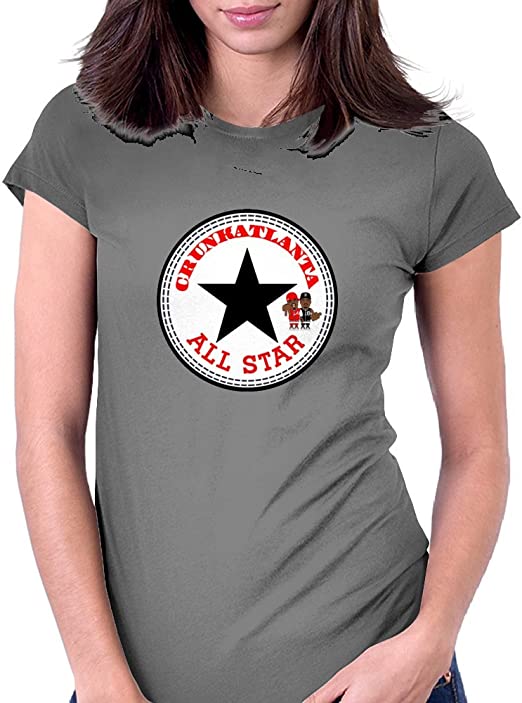 Introduction: Atlanta, Georgia has long been a hotbed for groundbreaking hip-hop and rap music. From Outkast to Gucci Mane, the city has consistently produced artists who have left an indelible mark on the genre. As we enter 2023, the Atlanta rap scene continues to flourish, with a new wave of talented artists emerging. In this blog post, we will explore the top Atlanta rappers of 2023, highlighting their unique styles, contributions, and impact on the rap landscape.
Conclusion: Atlanta's rap scene remains a powerhouse in 2023, with a new generation of artists carrying the torch and pushing boundaries. Future's iconic status, Lil Baby's raw storytelling, Gunna's melodic prowess, J.I.D's technical brilliance, and EarthGang's alternative sound all contribute to the vibrant and diverse landscape of Atlanta's hip-hop community. As these artists continue to innovate and captivate audiences with their unique styles, it's clear that Atlanta will continue to be a force to be reckoned with in the rap industry for years to come. Keep an eye on these top Atlanta rappers of 2023 as they shape the future of hip-hop, not only in Atlanta but on a global scale.
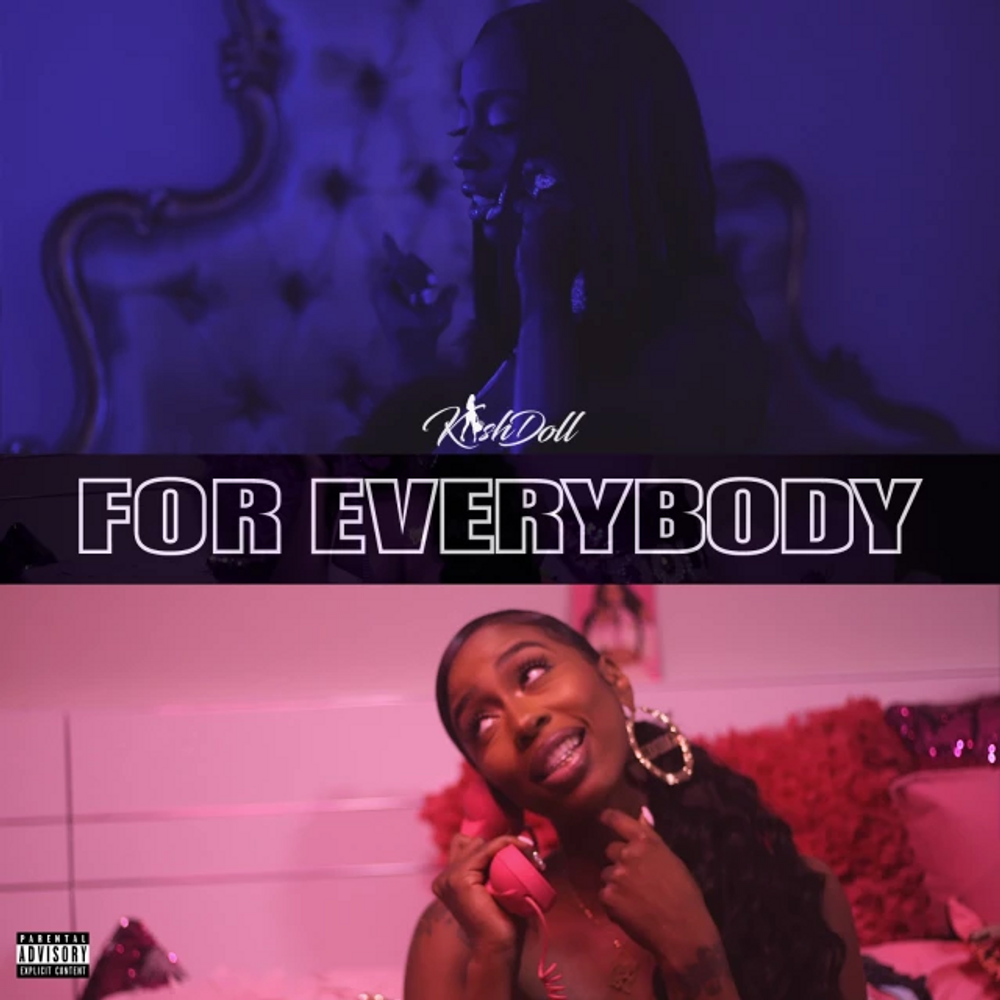 Detroit has been home to many talented and influential rappers throughout the years. Here are some notable Detroit rappers who have made significant contributions to the hip-hop scene:
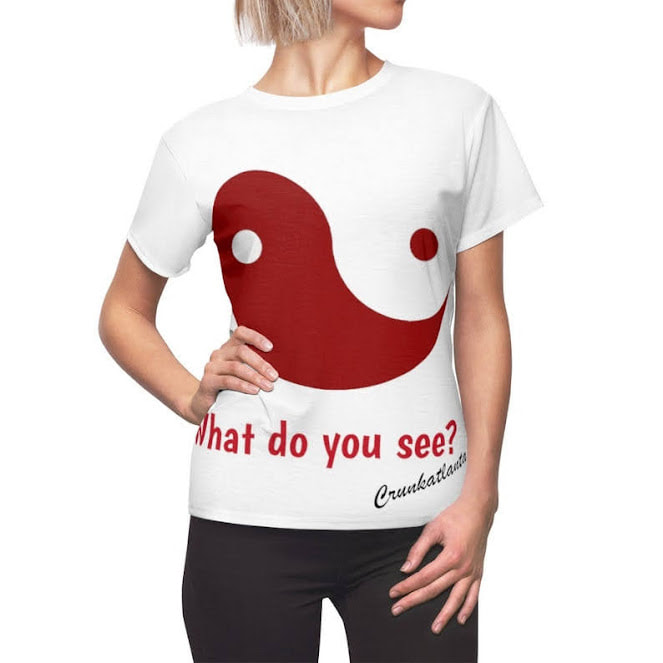 How to Start an Online T-Shirt Business: The Ultimate Guide How to Start an Online T-Shirt Business: The Ultimate Guide
You want to start an online T-shirt business? Excellent decision! But where do you start? Don't worry, we're here to help. In this guide, we'll walk you through every step of starting your own online T-shirt business, from coming up with a great idea to shipping your products to your customers. Let's get started! Find your niche Okay, so you want to start selling t-shirts online. That's great! But the first thing you need to do is find your niche. What do you want your t-shirt business to be about? Are you planning to concentrate on a particular niche? Or are you going to create a general store with a variety of designs? It's important to figure this out before you start designing any t-shirts, because it will help you determine the type of designs you should be creating. For example, if you want to focus on a specific niche, like music lovers, then you'll want to create designs that appeal to that audience. If you're going for a general store, then you'll want to come up with a variety of different designs that will appeal to everyone. Determine your product materials Now that you know the basics of starting an online T-shirt business, it's time to determine your product materials. What type of T-shirt are you going to print on? There are a few different types of T-shirts to choose from, but the most common are 100% cotton, a blend of cotton and polyester, or 100% polyester. If you're not sure which type of T-shirt to choose, do some research on which type is best for your specific market. Create T-shirt designs You've got your niche and the product materials finalized, now it's time to put them together and some T-shirt designs. First, you'll need to create some digital designs. Designs will be the first thing your customers see, so make sure it's eye-catching and representative of your brand. You can either create the designs yourself or hire a freelancer to do that. Once the designs are finalized, you can send them to your manufacturer. Set up your ecommerce store So you've decided you want to start selling T-shirts online? Great decision! The first thing you need to do is set up your ecommerce store. This can be a daunting task, but luckily, there are plenty of platforms that make it easy. Some of the most popular ecommerce platforms are Shopify and Squarespace. Both platforms provide an easy-to-use interface and come with a host of features, including templates, payment processing, and shipping calculators. They also offer built-in SEO tools to help you rank higher in search engine results pages. So which platform should you choose? That depends on your needs and budget. Shopify is a little more expensive than Squarespace, but it comes with more features and support. Squarespace is a good option if you're on a tight budget, or if you're just starting out and don't need all the bells and whistles. Promote your store The best way to promote your store is by creating a social media campaign. Make sure you have a strong social media presence across all platforms, and use hashtags to increase your reach. You can also run ads on social media, or partner with influencers to promote your store. Whatever you do, make sure you market your store aggressively. The more people who know about it, the more sales you'll make. Conclusion There you have it: everything you need to start and run a successful online t-shirt business. Just keep in mind to take things slowly and don't be scared to ask for assistance when you need it. With a bit of hard work and some luck, you could be well on your way to quitting your day job and making a living doing what you love. Check my Apparel page  How Atlanta's Music Scene Gave Rise to Some of the Greatest Legends How Atlanta's Music Scene Gave Rise to Some of the Greatest Legends
There's no doubt that Atlanta has one of the most thriving music scenes in the country. From hip-hop to R&B to rock, the city has produced some of the most iconic musicians of all time. What's the secret to Atlanta's success? Musicians here have always been willing to experiment and push boundaries. They've embraced their city's unique culture and created a sound that is truly their own. In this article, we'll take a look at some of the biggest names to come out of Atlanta's music scene. Outkast You know Outkast. You love Outkast. But did you know that they got their start in the Atlanta music scene? Andre "Andre 3000" Benjamin and Antwan "Big Boi" Patton met at a high school performing arts program in the early '90s, and the two of them quickly teamed up to form a rap duo. They started out playing small shows in Atlanta, and it wasn't long before they caught the attention of record labels. In 1994, they released their first album, which was met with critical acclaim. Outkast went on to become one of the most successful hip-hop groups of all time, and they're responsible for putting Atlanta on the map as a center for music innovation. TLC You remember TLC, right? The girl group who gave us iconic jams like "Waterfalls," "Creep," and "No Scrubs?" They were not afraid to experiment, and their sound was distinctive and fresh. They were also outspoken about social issues, which helped them build a passionate following. After several hits, TLC disbanded in 2002. But their music has endured, and they're still considered one of the most influential groups in history. The Black Crowes You've probably heard of the Black Crowes. They're one of the most iconic bands to come out of Atlanta's music scene. What you might not know is that they got their start at a small club in the city called the Star Bar. It was there that they played their first gig, and from there, they gradually rose to fame. The Black Crowes are a great example of how Atlanta's music scene can help launch a band to stardom. If you're a musician looking to make it big, then you need to come to Atlanta and check out its music scene for yourself. Goodie Mob You might not know this, but some of the greatest legends in music got their start in Atlanta. The city's music scene is legendary, and it's been responsible for birthing some of the most iconic artists of all time. One group who got their start in Atlanta is Goodie Mob. The quartet was formed in the early 1990s, and they quickly rose to prominence with their signature sound. They helped put Atlanta on the map as a center for hip-hop music, and they're credited with helping to define the genre. Usher Usher began his career as a young musician and quickly rose to fame thanks to his hit songs. Since then, he has sold over 100 million records globally, released eight studio albums, and received innumerable awards. What's so great about Usher is his ability to crossover from R&B to pop, and his songs always have a powerful message. He's truly an icon in the music industry, and his influence will be felt for years to come. Conclusion You know the hits – now learn the stories behind them. Atlanta has been a hotbed of musical talent for decades, birthing some of the biggest names in music. Sure, the city's known for its hip-hop scene. But there's so much more to Atlanta's music history than that. From rock and roll to soul and R&B, the city has spawned some of the most iconic and timeless tunes of all time. So get ready to journey back in time, and explore the stories behind some of Atlanta's most legendary musicians. |
Archives
July 2023
Categories
All
Get content ideas based on data driven research as opposed to rumors. We tell you what content consumers are searching for, how to market to them and what to say in your content. Follow our blog for free insight and always free full market reports. Short film ideas - content ideas - free market reports Get content ideas based on data driven research as opposed to rumors. We tell you what content consumers are searching for, how to market to them and what to say in your content. Follow our blog for free insight and always free full market reports.
|
 RSS Feed